

How to Care for Gold Plated Jewelry (So It Actually Lasts)
Gold plated jewelry can last for years — or it can start showing wear in a few months. The difference usually isn't the quality of the piece. It's how you care for it.
Most people don't have a jewelry care routine. They put their earrings in, wear them, forget them on the bathroom counter, repeat. That's fine for solid gold or titanium. For gold plated jewelry, it accelerates the wear process significantly.
The good news: proper gold plated jewelry care takes about 30 seconds a day and costs nothing. Here's exactly what to do.
Understanding Why Gold Plating Wears
Gold plated jewelry has a thin layer of real gold bonded over a base metal (usually brass or sterling silver). That gold layer is durable, but it's not impervious. Several things break it down over time:
- Body sweat and oils — your skin's natural chemistry, especially if you have higher acidity, slowly degrades the gold layer
- Water — showering, swimming, and even frequent hand-washing introduce moisture that works under the plating over time
- Chemicals — perfume, hairspray, lotions, cleaning products, and chlorinated water are all harsh on gold plating
- Physical friction — rings and bracelets contact hard surfaces constantly, wearing the plating faster than earrings or necklaces do
Understanding these causes tells you everything you need to know about preventing them.
The Daily Care Routine (Takes 30 Seconds)
Put jewelry on last
Get dressed, apply perfume, spray hairspray, put on lotion — then put on your jewelry. This dramatically reduces the amount of chemical exposure your pieces get. Most people do it the wrong way around without thinking about it.
Take jewelry off first
Before washing your hands, showering, swimming, or doing the dishes, take off your gold plated pieces. Even brief repeated water exposure — washing your hands three times a day with rings on — adds up over weeks and months.
Wipe down after wearing
When you take off a piece, give it a quick wipe with a soft, dry cloth before storing it. This removes any skin oils or residue that would otherwise sit on the surface. This one step extends piece life noticeably, especially for rings and bracelets.
How to Clean Gold Plated Jewelry
When your pieces need more than a dry wipe, here's the correct cleaning method:
- Mix a tiny amount of mild dish soap (a single drop) with warm — not hot — water in a small bowl.
- Dip a soft cloth or very soft toothbrush into the solution. Do not submerge the jewelry — brief contact is enough.
- Gently wipe the piece. For detailed designs, use the soft toothbrush to get into crevices, but keep pressure light.
- Rinse with a clean, slightly damp cloth. Do not run the piece under running water.
- Pat completely dry with a soft cloth. Let it air dry for 10–15 minutes before storing.
What NOT to use to clean gold plated jewelry
- Silver polishing cloth or paste — designed for silver, too abrasive for gold plating
- Ultrasonic cleaners — the vibrations strip gold plating quickly
- Toothpaste — an old folk remedy that actually scratches the surface
- Alcohol wipes or hand sanitizer — alcohol degrades gold plating, especially with repeated use
- Baking soda or vinegar mixtures — too harsh for the plating layer
How to Store Gold Plated Jewelry
Storage is where most people lose months of life from their jewelry without realizing it.
The big mistakes:
- Leaving pieces on the bathroom counter (humidity from showers = enemy of gold plating)
- Throwing everything into a single dish or drawer where pieces scratch each other
- Storing in a sunny spot (UV light fades the finish over time)
What works:
- Store pieces in a cool, dry location — a bedroom drawer, nightstand, or jewelry box works perfectly
- Use individual pouches or compartments so pieces don't scratch each other — the anti-tarnish bags that often come with jewelry are ideal
- For pieces you wear infrequently, store in a small zip-seal bag with an anti-tarnish strip
What to Do If Gold Plating Starts to Wear
Even with perfect care, gold plating will eventually show some wear — especially on high-contact areas like the inside of a ring or the clasp of a bracelet. Here's what you can do:
Re-plating. A local jeweler can re-plate a worn piece for $15–$40, which is often worth it for a piece you love. This restores the gold finish to new condition.
Accept the patina. Some people like the slightly worn, vintage look of a piece that's been worn and loved. If it's not bothering you, it's not a problem.
Replace it. At Wimsico's price points ($7.99–$36), some pieces are genuinely replaceable. If a pair of earrings you've worn daily for two years is starting to show wear, replacing them isn't failure — it's using affordable jewelry the way it was designed to be used.
Specific Tips for Each Jewelry Type
Gold Plated Earrings
The easiest type to maintain. Since earrings have minimal contact with hard surfaces, the main issue is accumulated skin oils and hairspray. Wipe down posts and backs after each wear. Store in individual pouches if possible.
Gold Plated Necklaces
The clasp is the most vulnerable point — it gets stress from opening and closing. Handle the clasp gently and avoid submerging it. The chain itself is relatively resilient; the pendant is the most visible part to protect from chemicals.
Gold Plated Rings
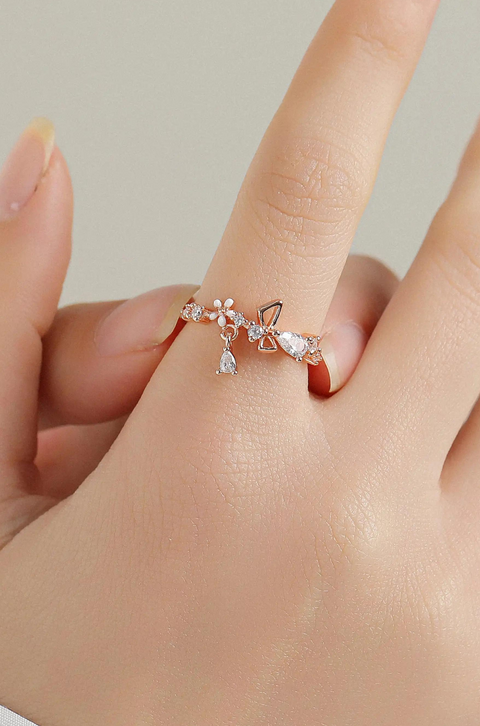
The hardest to protect because they contact everything. If you wear rings daily, remove them for dishwashing, handwashing, and any activity where they'll take a beating. Rings are also the best candidates for re-plating if you love them enough to keep wearing them.
Gold Plated Bracelets and Bangles
Like rings, they're high-contact. The edges of bangles especially wear fast. Rotate between a few bracelets rather than wearing one piece daily, and wipe down after each wear.
The Short Version
Put it on last. Take it off first. Wipe it down before storing. Keep it dry. These four habits extend the life of gold plated jewelry more than anything else.
At Wimsico, our gold-dipped pieces are designed to hold up to real everyday wear when cared for properly. Browse our gold earrings, gold necklaces, and adjustable gold rings — and now that you know how to care for them, you can wear them with confidence.