
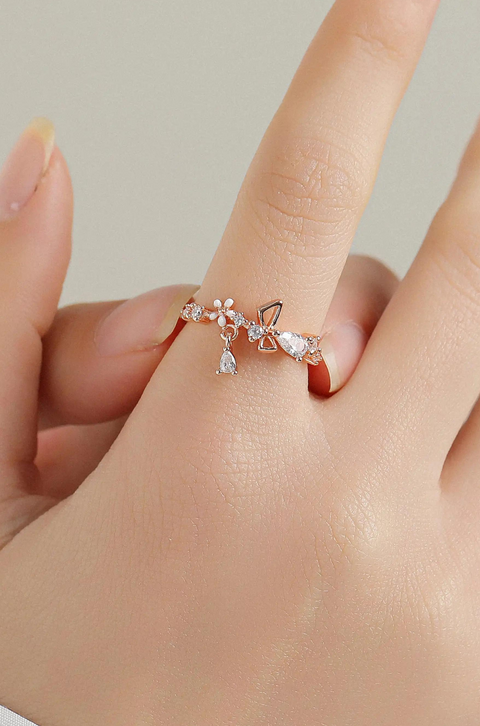

You finally found the perfect earrings, the necklace that goes with everything, the ring you can't stop wearing. Now the question is: how to care for jewelry so it stays looking new for as long as possible? The answer is simpler than most people think. A few smart habits, some basic jewelry cleaning tips, and proper storage will dramatically extend the life of your pieces — whether they're fine jewelry, gold-plated, or fashion jewelry.
Why Jewelry Gets Dull and Damaged
Before you know how to fix something, it helps to understand what causes the problem. Jewelry loses its luster and gets damaged primarily from four things:
- Moisture: Water — especially chlorinated water, salt water, and even sweat — accelerates tarnishing and degrades plating.
- Chemicals: Perfume, lotion, sunscreen, hairspray, and cleaning products are the biggest culprits. They react with metal finishes and gemstones, dulling and staining them over time.
- Friction: Rings and bracelets take a beating just from daily use. Metal-on-metal contact (like rings stacked together without thought) causes scratching.
- Improper storage: Tossing jewelry into a drawer where pieces tangle and scratch each other is one of the fastest ways to damage them.
Jewelry Cleaning Tips That Actually Work
The Gentle Soap Method (Most Jewelry)
For most fashion jewelry and gold-plated pieces, this is the safest and most effective cleaning method:
- Fill a small bowl with lukewarm water and add a tiny drop of mild dish soap.
- Submerge the piece and let it soak for 1–2 minutes.
- Use a soft-bristled toothbrush (or a clean makeup brush) to gently scrub crevices and settings.
- Rinse thoroughly under lukewarm running water.
- Pat dry immediately with a soft, lint-free cloth. Never leave jewelry to air-dry — water spots and moisture damage accumulate.
Important: Don't use this method for pieces with porous gemstones like pearls, opals, or turquoise, which can absorb water and soap and become damaged.
Cleaning Gold-Plated and Gold-Dipped Jewelry
Gold-plated and gold-dipped pieces require extra care because the gold layer can wear away with aggressive cleaning. Stick to the gentle soap method above, but use even lighter pressure. Avoid polishing cloths designed for solid gold — they're too abrasive for plated surfaces. A soft microfiber cloth is the right tool.
Polishing Sterling Silver
Silver tarnishes naturally when it comes into contact with air and sulfur compounds. A proper silver polishing cloth (widely available and inexpensive) restores shine in seconds. For heavier tarnish, the baking soda method works well: line a bowl with aluminum foil, add hot water and a tablespoon of baking soda, submerge the piece for 3–5 minutes, then rinse and dry thoroughly.
Quick Daily Polish
For everyday maintenance, keep a clean microfiber cloth near your jewelry storage. A quick wipe-down after you take off your pieces removes skin oils and sweat before they have a chance to build up. This 10-second habit dramatically slows the tarnishing process.
How to Care for Jewelry: Storage Rules
Cleaning matters, but storage is where most people make the biggest mistakes. Good storage prevents 90% of the damage that makes jewelry look old before its time.
Keep Pieces Separated
The cardinal rule: never let jewelry pieces touch each other in storage. Harder stones (like cubic zirconia) scratch softer metals. Chains tangle and break. Store each piece — or at minimum, each category — separately. Individual small zip-lock bags, divided jewelry trays, or a hanging jewelry organizer all work well.
Store in a Cool, Dry Place
Heat and humidity accelerate tarnishing. Don't store jewelry in the bathroom — the steam from showers is a constant tarnish accelerant. A bedroom drawer or a closed jewelry box in a dry room is ideal.
Anti-Tarnish Strips
These small, inexpensive strips absorb the sulfur compounds in the air that cause tarnishing. Add one to your jewelry box or storage drawer and replace every few months. For pieces you wear rarely, store them in a small zip-lock bag with an anti-tarnish strip inside for maximum protection.
What to Avoid: The Jewelry Care Checklist
A few habits to build immediately:
- Take jewelry off before showering, swimming, or exercising. Moisture is enemy number one.
- Put jewelry on last when getting ready. Perfume and hairspray should be fully dry before jewelry goes on.
- Remove rings before washing hands with soap. Soap residue builds up in ring settings and dulls stones quickly.
- Don't sleep in jewelry. You'll tangle chains, put stress on delicate settings, and accumulate hours of contact with sweat and oils overnight.
- Avoid harsh chemicals. Take jewelry off before cleaning with household chemicals — bleach and ammonia are particularly damaging.
When to Seek Professional Cleaning
At-home jewelry cleaning tips handle most of what day-to-day wear throws at your pieces. But if you notice a stone is loose, a clasp is bending, or a plating is visibly wearing off, it's time to take the piece to a professional jeweler. Catching small repairs early prevents bigger damage later.
Keep Your Jewelry Looking Its Best
Learning how to care for jewelry properly is one of those small investments in knowledge that pays off for years. The pieces you take care of today are the ones you'll still be reaching for in five years — still shining, still earning compliments.
Browse Wimsico's collection of beautifully crafted fashion jewelry — built for everyday wear and made to last.