
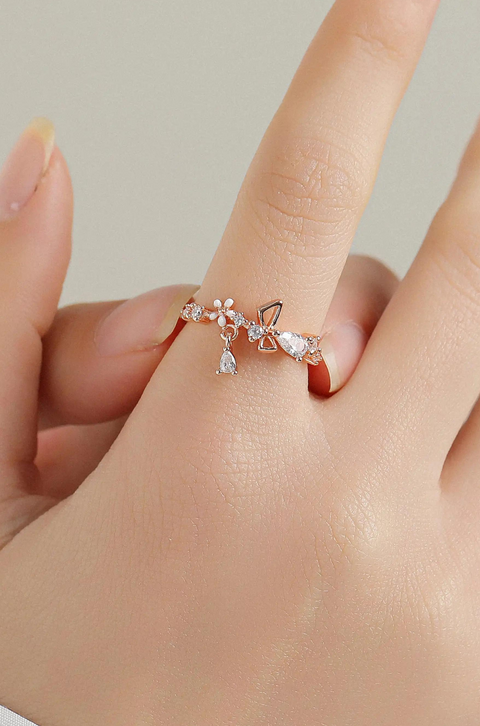

Gold plated jewelry is everywhere — and for good reason. It has the warmth and richness of gold at a fraction of the cost. But there's also a lot of confusion about what "gold plated" actually means, how it compares to other gold types, and whether it's worth buying.
Here's everything you need to know.
What "Gold Plated" Actually Means
Gold plated jewelry is made from a base metal — usually brass, copper, or sterling silver — with a thin layer of real gold applied over the top through an electroplating process. That outer layer is genuine gold. The base metal beneath is not.
The thickness of the gold layer is measured in microns. Most standard gold plated pieces have 0.5 to 1 micron of gold. Higher-quality pieces — sometimes called "heavy gold plated" or "thick gold plated" — go up to 2.5 microns, which extends their wear time considerably.
Gold-dipped jewelry is a variation of gold plating that many customers find particularly durable for everyday wear. Our gold dipped jewelry collection uses this process specifically on pieces designed for daily wear — hoops, studs, and chain necklaces that hold their finish longer than standard plated pieces.
14K vs. 18K Gold Plating: What's the Difference?
When you see "14K gold plated" or "18K gold plated," that number refers to the purity of the gold in the plating layer — not the piece as a whole.
- 14K gold is 58.3% pure gold, alloyed with other metals for strength. It's more durable and tarnish-resistant.
- 18K gold is 75% pure gold. It has a richer, warmer yellow tone, but is slightly softer and can wear through faster in high-friction areas.
For everyday jewelry worn daily, 14K plating tends to hold up better. For special-occasion pieces you wear more carefully, 18K's deeper color is worth considering.
Gold Plated vs. Gold Filled vs. Solid Gold
These terms get conflated constantly. Here's the clear breakdown:
| Type | What it is | Expected lifespan |
|---|---|---|
| Gold plated | Thin gold layer over base metal | 1–3 years with care |
| Gold filled | Thick gold layer mechanically bonded (5% gold by weight) | 10–30 years |
| Solid gold | Pure gold alloy throughout | Lifetime |
Gold plated is the most accessible price point. Gold filled occupies the middle ground — better durability, higher cost. Solid gold is the heirloom tier. For building a fashion jewelry wardrobe with variety and rotation, gold plated is the sensible, stylish choice.
What to Look For When Buying Gold Plated Jewelry
Not all gold plated pieces are created equal. Here's what signals quality:
- Check the micron thickness. Quality pieces list the plating thickness. Anything under 0.5 microns is cosmetic-grade and will wear quickly. Look for 1.0 micron or higher.
- Look at the base metal. Sterling silver base is the quality indicator — it holds plating well and is kind to sensitive skin. Brass and copper are common and fine, but wear differently over time.
- Check the karat. "14K gold plated" or "18K gold plated" means genuine gold is used. "Gold tone" or "gold color" pieces are not plated with real gold.
How to Make Gold Plated Jewelry Last Longer
The gold layer is real — but it is thin. The main enemies are moisture, friction, and chemicals. Here's how to manage them:
- Put it on last. Apply perfume, lotion, and hairspray before you put on your jewelry. Chemicals in these products speed up tarnishing significantly.
- Take it off before water. Swimming, showering, and washing dishes are the fastest ways to wear through a plating.
- Store it dry and separate. Air and moisture cause tarnish over time. Store pieces in an airtight bag or sealed jewelry box, ideally with an anti-tarnish strip.
- Clean gently. Use a soft, dry cloth to wipe pieces after wearing. If they need a deeper clean, use a slightly damp cloth — no abrasive cleaners, no jewelry dip solutions, no ultrasonic cleaners.
- Rotate your pieces. Wearing the same gold plated piece every day accelerates wear significantly. Rotating across 3–4 pieces gives each one recovery time and extends the life of all of them.
Gold Plated Jewelry and Skin Sensitivity
If you have sensitive skin or known metal allergies, the base metal matters — not just the gold layer. Once plating wears in high-contact areas (like the back of a ring), the base metal comes into contact with your skin.
- Brass base: Common and affordable, but some brass alloys contain nickel, which can cause reactions in sensitive people.
- Copper base: Similar considerations. Also causes the classic "green finger" effect as it oxidizes against skin.
- Sterling silver base: Best option for sensitive skin. Even as the gold layer wears, you're touching silver, not brass or copper.
If you've had reactions to base metals in the past, look specifically for "gold plated over sterling silver."
Is Gold Plated Jewelry Worth It?
Yes — if you treat it right. Gold plated jewelry lets you build a rich, varied jewelry wardrobe without the cost of solid gold. A well-made piece, properly cared for, looks beautiful for years. The key is understanding what it is, using it appropriately, and rotating it rather than wearing it to the point of no return.
Browse Wimsico's gold plated jewelry collection — real gold tones, fashion-forward designs, and prices that make building a collection actually possible.